
Online Diploma vs Degree: What Is the Difference and Which Should You Choose in 2026?
Diplomas and degrees are often confused, but they serve different purposes. Here is a clear guide to the differences in length, cost, recognition and career outcomes, so you can pick the right online qualification for your goals.
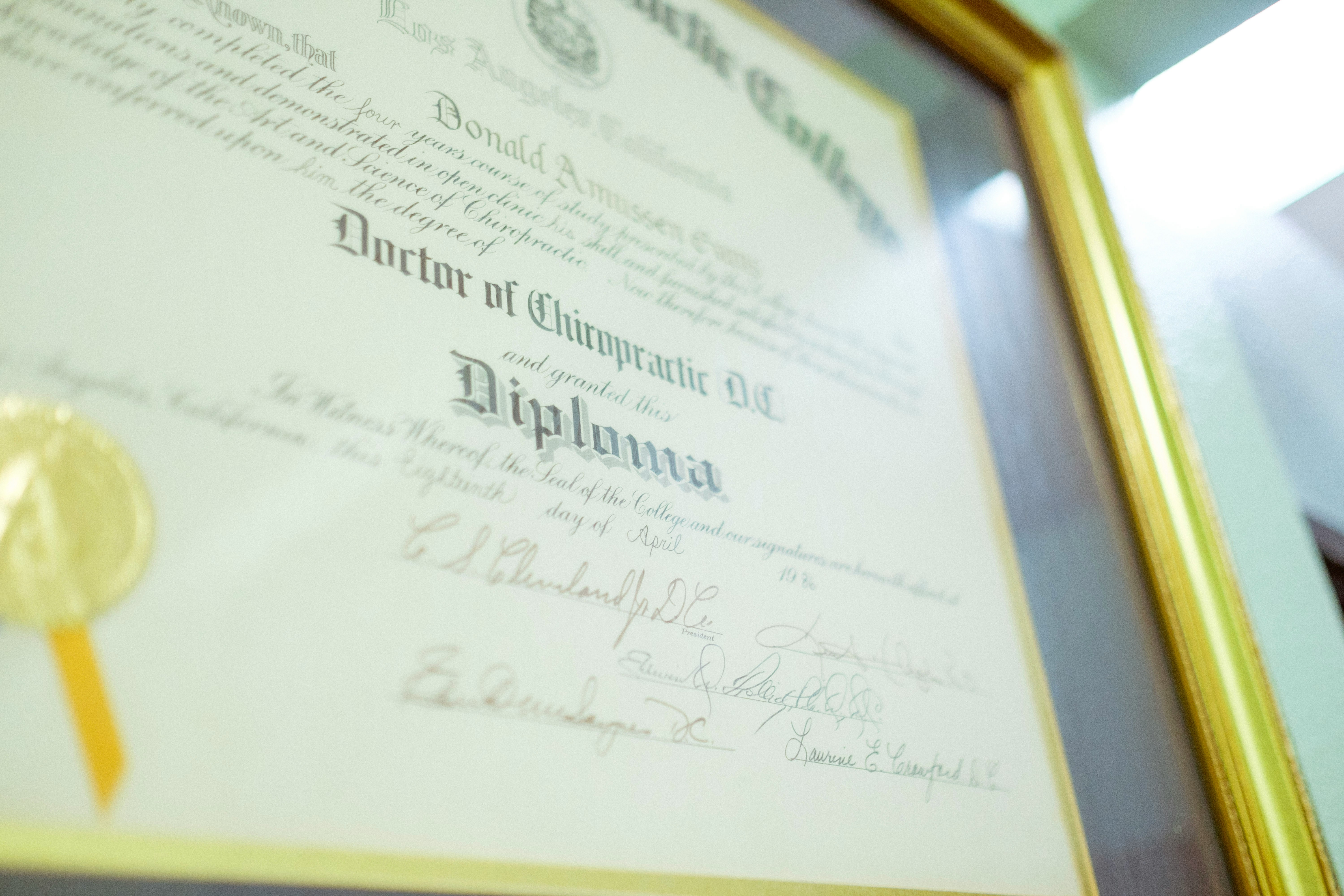
When you start looking at online study, you quickly meet two terms that are often used as if they meant the same thing: diploma and degree. They are not the same, and choosing the wrong one can cost you time and money. The good news is that the difference is easy to understand once it is laid out clearly.
Here is a practical guide to help you decide which suits you in 2026.
What is a diploma?
A diploma is a shorter, more focused qualification that concentrates on practical skills for a particular area of work. It usually covers a narrower range of topics than a degree and is designed to get you job-ready, or ready for the next level of study, more quickly.
Diplomas are offered at several levels, from entry-level to advanced professional and postgraduate diplomas. The level matters a great deal. A higher-level diploma can be equivalent to part of a degree or a master's programme, so it is important to check exactly what the qualification is worth rather than judging it by the title alone.
What is a degree?
A degree is a longer, broader qualification awarded by a university or degree-awarding institution. It combines practical skills with in-depth theory, research methods and critical thinking, and it comes at set levels: bachelor's, master's and doctorate.
Because of this depth and breadth, a degree is often required for professional roles, regulated careers and further academic study. It is also the qualification most widely recognised by employers and institutions around the world.
The main differences at a glance
Length. Diplomas typically take months to a couple of years, while degrees take several years part time. For realistic timelines, see How Long Does an Online Degree Take? Realistic Timelines for 2026.
Depth and focus. A diploma concentrates on practical, job-relevant skills. A degree covers a wider range of subjects and develops research, analysis and critical thinking.
Cost. Diplomas are usually less expensive because they are shorter. Degrees cost more overall, but they can open more doors over a longer career. Online Degree Costs in 2026: What You Are Really Paying For explains what to look for in the full price.
Recognition. Both can be valuable, but a degree is more widely recognised and is often a formal requirement for certain roles, for immigration or visa purposes in some countries, and for entry to postgraduate study.
Progression. A degree usually leads directly to a master's. A diploma can lead to further study too, particularly at higher levels, but the route depends on the level and on whether the awarding body has progression agreements with universities.
When a diploma is the right choice
A diploma often makes sense if:
- You want to build practical skills quickly for a specific role or industry
- You already have experience and want a formal qualification to support it
- You are testing a new field before committing to several years of study
- Your budget or time is limited and a shorter route fits better
- You plan to use it as a stepping stone, progressing to a degree later with credit for what you have already completed
When a degree is the right choice
A degree is usually the better route if:
- Your chosen career requires one, such as many roles in finance, health, social work, law or education
- You want the widest possible recognition, particularly if you may work internationally
- You plan to study further, such as a master's, MBA or doctorate
- You are aiming for senior or management roles where a degree is a standard expectation
If you are thinking about senior roles, Best Online MBA Programmes for Working Professionals in 2026 and Is an Online Doctorate Worth It in 2026? are the natural next steps once you have a first degree.
Can a diploma lead to a degree?
In many cases, yes. Some diplomas are designed as part of a pathway, so the credits you earn count towards a full degree later. This can be a smart, lower-risk way to begin: you gain a recognised qualification quickly and keep the option of continuing.
The key is to check the details before you enrol. Ask whether the diploma carries credit towards a degree, which institutions accept it, and whether there is a formal progression route. A diploma that leads nowhere is far less valuable than one with a clear path forward.
Whichever you choose, check the accreditation
The title of a qualification tells you very little. What matters is who awards it and who accredits it. A properly accredited diploma can be far more valuable than a poorly regulated degree, and the reverse is also true. Before you commit to either, make sure the qualification is recognised in the country where you plan to use it. Are Online Degrees Actually Recognised? A Straight Answer About Accreditation shows you exactly what to check.
How to decide
If you are still unsure, ask yourself three questions:
- What do I need the qualification for? A specific job, a promotion, a career change or further study.
- What do employers in my chosen field expect? Look at real job adverts and speak to people already working in the field.
- How much time and money can I realistically commit? Be honest about both, including for busy periods.
How to Choose the Right Online Degree in 2026: A Complete Guide walks through these questions in more detail, and Best Online Degrees for a Career Change in 2026 is helpful if you are moving into a new field. When you are ready, How to Apply for an Online Degree in 2026: A Step-by-Step Guide takes you through the process.
The bottom line
A diploma is the faster, more focused route, ideal for building practical skills or testing a new direction. A degree is the broader, more widely recognised qualification, essential for many careers and for further study. Neither is automatically better. The right choice depends on your goals, your budget and where you want to be in five years.
UeCampus offers accredited online diplomas and degrees across business, technology, finance, health and more, delivered through partner institutions. Explore the
Thinking about studying online?
Explore accredited UeCampus programmes and UK diplomas, or speak to an admissions advisor about the next intake.
Browse programmes Enquire now