Are Online Degrees Actually Recognised? A Straight Answer About Accreditation
Worried your online degree might not count for much? Here is how accreditation really works, what to check before you enrol, and why the way you study matters far less than who awards the qualification.
Let's deal with the question nobody likes to ask out loud. You have found an online programme you like, the fees work, the schedule fits around your job, and then a small voice pipes up. Will anyone actually respect this degree?
It is a fair worry. Ten years ago, plenty of employers raised an eyebrow at anything studied online. But the honest answer in 2026 is that the delivery mode is not what makes a degree respected or dismissed. Accreditation is. And once you understand how accreditation works, you can tell a solid qualification from a worthless one in about fifteen minutes.
What accreditation actually means
Accreditation is simply independent quality control. An external body, usually backed by a government or a recognised national framework, reviews a university and confirms that its teaching, assessment, and awards meet a defined standard. No accreditation, no guarantee. That is the whole idea.
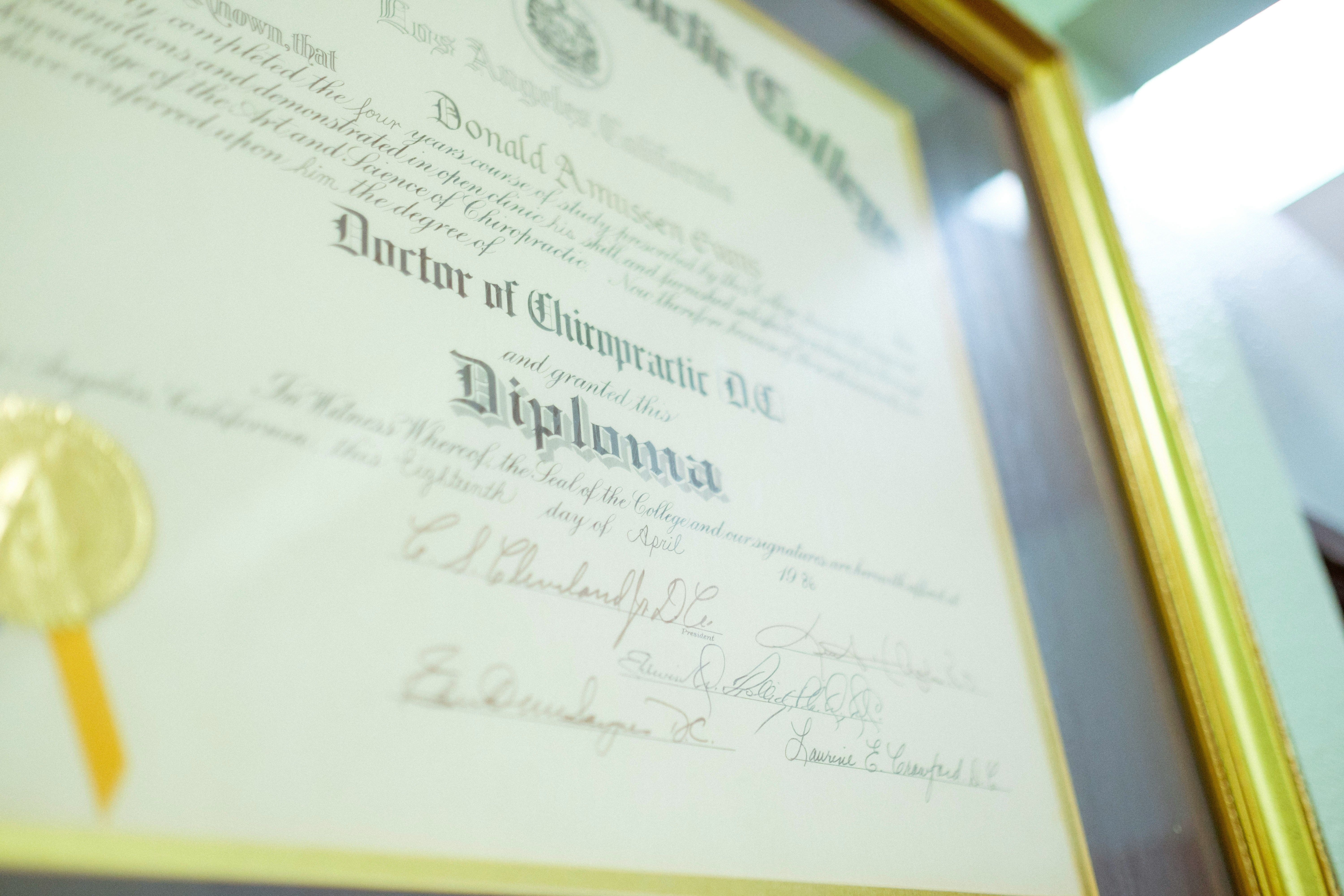
Here is the part most people miss. Accreditation attaches to the institution and the award, not to the classroom. When a properly accredited university delivers a degree online, the certificate you receive is the same certificate its on-campus students receive. Same award, same standard, same external oversight. There is no asterisk on it saying "studied in pyjamas."
That is why the question "is an online degree recognised?" is really the wrong question. The right one is "is this university, and this specific programme, recognised?" Ask that instead, and everything becomes much easier to check.
The question that matters more than online vs on campus
Every country runs its own version of quality assurance. In the UK, universities hold degree-awarding powers regulated by government, with quality reviewed by national agencies. In the US, regional and national accreditors do the job. Across the UAE and the wider Gulf, ministries and education authorities license and review institutions operating in their jurisdiction. Australia, Canada, and most of Europe have close equivalents.
What all of these systems share is a public record. Legitimate universities appear on official registers that anyone can search, free of charge. Fake ones do not, no matter how impressive their website looks.
So the practical test is simple. If a university claims to be accredited, that claim should be verifiable on a government or regulator's own website, not just on the university's marketing pages. A genuine institution will happily point you to the exact register where its name appears. A dubious one will get vague, mention an "international accreditation council" you have never heard of, or change the subject.
How to check a university yourself in four steps
You do not need any special expertise for this. Set aside a quarter of an hour and work through the list.
1. Find the awarding body. Ask who actually issues the certificate. Sometimes you study with one provider and the degree is awarded by a partner university. That is a normal and legitimate arrangement, but you need to know whose name goes on the parchment, because that is the institution you verify.
2. Search the official register. Look up the awarding institution on the relevant national register or ministry list in its home country. If it is not there, stop. Nothing else on the website matters.
3. Check the programme, not just the university. Some professional fields, such as accounting, engineering, or healthcare, have their own professional bodies that recognise specific programmes. If your career depends on a professional licence, confirm the programme itself carries that recognition.
4. Ask where graduates went next. A university confident in its awards will tell you about graduates who progressed to master's degrees elsewhere, or into professional roles. Progression to other recognised institutions is one of the strongest informal signals that a qualification travels well.
What employers actually look at in 2026
Hiring managers have moved on from the online versus campus debate, largely because so many of them studied online themselves at some point over the last few years. What they care about now is fairly consistent.
They look at whether the awarding institution is legitimate, which takes them one search to confirm. They look at what you can actually do, which is why programmes with real projects, case work, and assessed practical skills tend to serve graduates better than purely exam-based ones. And increasingly, they look at how you managed the degree. Someone who earned a qualification while holding down a job and family commitments has quietly demonstrated discipline and time management that no interview question can fake.
In several surveys of hiring behaviour over recent years, the pattern repeats. When the institution is accredited, most recruiters either do not know or do not care whether the study happened online. The mode of study has become background noise.
Red flags worth walking away from
Degree mills still exist, and they have become better at looking respectable. A few warning signs deserve an immediate exit.
Be cautious of any institution that offers a full degree in an implausibly short time, prices the award as a flat fee for the certificate rather than tuition, or promises a degree based mostly on "life experience." Watch out for accreditation claims that trace back only to private organisations with grand names and no government standing. And be sceptical of pressure tactics. Legitimate universities with rolling enrolment will welcome you whenever you are ready to start. Nobody serious needs to rush you into paying today.
If anything feels off, go back to step two above. The official register settles every argument.
The bottom line
An online degree from an accredited university is a recognised degree, full stop. The certificate does not record where you sat while you studied, and in 2026 almost nobody would care if it did.
Spend your energy on the checks that matter. Verify the awarding body on an official register, confirm any professional recognition your career needs, and choose a programme that teaches skills you can point to in an interview. Do that, and the question that worried you at the start of this article stops being a question at all.
If you would like help confirming the accreditation behind any of our programmes, our advisors will walk you through the registers themselves. It is your future, and you are entitled to see the paperwork.
Thinking about studying online?
Explore accredited UeCampus programmes and UK diplomas, or speak to an admissions advisor about the next intake.
Browse programmes Enquire now