Can You Get a Job with an Online Degree? What Employers Really Think in 2026
Hiring managers used to raise an eyebrow at online degrees. In 2026, that's largely history. Here's what actually matters to employers now, and how to make sure your qualification clears the bar.

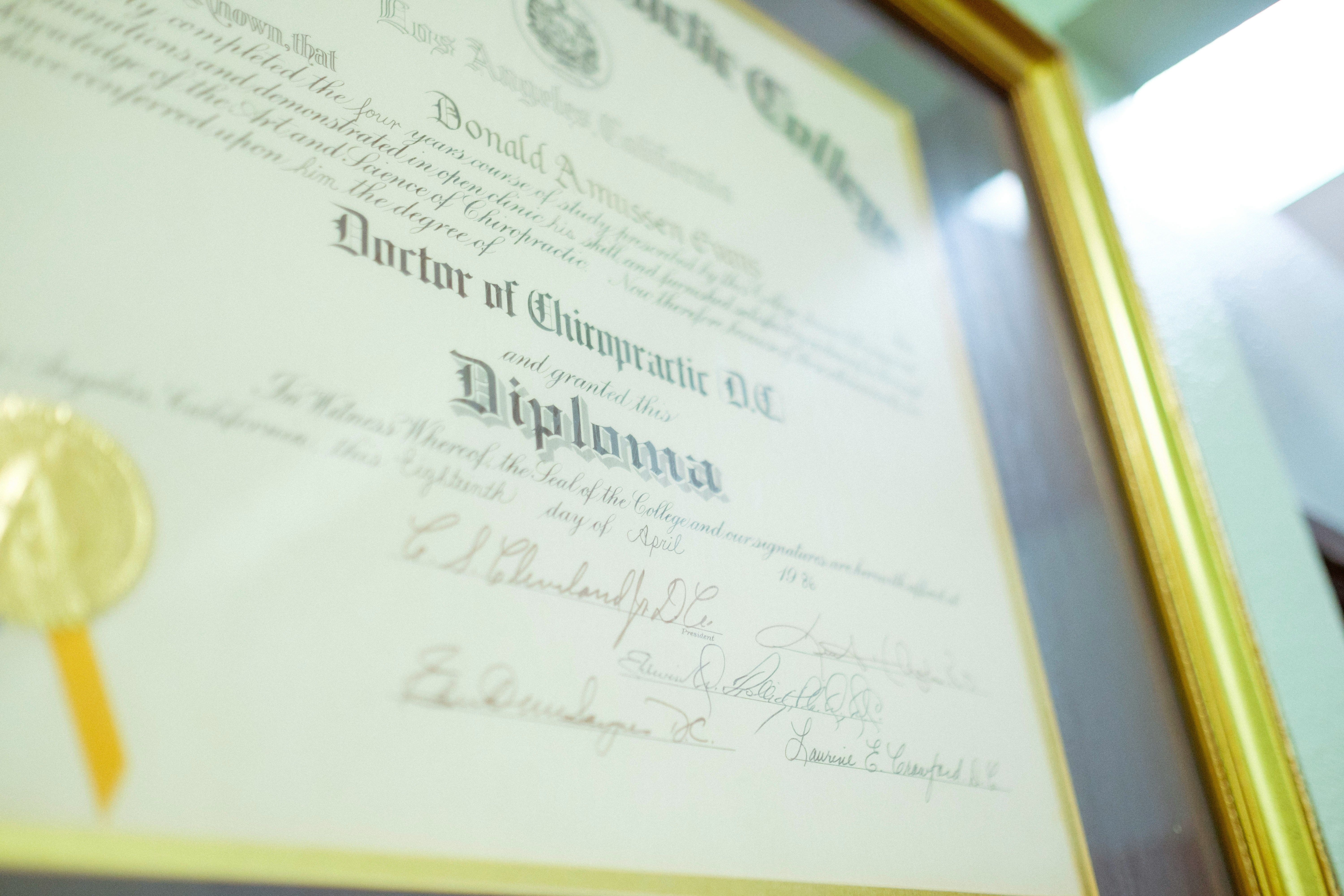
Ten years ago, listing an online degree on your CV could invite a second look, and not always a good one. In 2026, that stigma has largely faded. What hasn't gone away is employers' scrutiny of which online degree you hold, and from where.
What the hiring data actually shows
Recent workforce surveys consistently find that hiring managers care far less about delivery format than they used to, and far more about three things: accreditation, institutional reputation, and demonstrable skills. A degree earned online from a properly accredited university is treated the same on paper as its on-campus equivalent, because, credit-wise, it usually is the same degree.
Where candidates lose ground isn't the "online" label. It's unaccredited or diploma-mill credentials, vague program names, and CVs that don't translate coursework into outcomes.
What employers are actually screening for
1. Accreditation, not delivery mode. Recruiters, especially at larger companies, will verify accreditation status before an offer goes out. This is the single biggest factor in whether an online degree "counts."
2. Relevant, applied skills. Many online programs now build in projects, case studies, or capstones. Graduates who can point to a specific deliverable (a business plan, a data model, a marketing campaign) stand out more than those who list module titles.
3. Consistency and follow-through. Completing a self-paced online program is itself a signal of discipline and time management, traits hiring managers explicitly value for remote and hybrid roles.
4. Institutional name recognition. All else equal, a well-known university's online program still edges out a lesser-known one. This is less about snobbery and more about employers' familiarity with the curriculum and standards.
How to strengthen an online degree on your CV
- Name the accrediting body directly on your CV or LinkedIn, not just the university name.
- Translate modules into outcomes. Instead of "Completed Digital Marketing module," write "Built and analyzed a full-funnel campaign strategy."
- Highlight group or live components, if your program had them. They counter the (often outdated) assumption that online study is isolated.
- Get a recommendation from faculty, not just peers. A professor's endorsement carries particular weight for online credentials.
The bottom line
An online degree from an accredited institution is judged on the same merits as any other degree in 2026, but it still has to clear the same bar. Employers aren't asking "was this earned online?" anymore. They're asking "is this legitimate, and can this person do the job?" Answer both, and the format becomes a non-issue.
Thinking about which program is the right fit? Our guide on how to choose the right online degree is a good next read.
Thinking about studying online?
Explore accredited UeCampus programmes and UK diplomas, or speak to an admissions advisor about the next intake.
Browse programmes Enquire now