Online MBA vs Traditional MBA: Which Is Right for You in 2026?
Weighing an online MBA against a traditional one? Here's an honest breakdown of the real differences in cost, career impact, and workload.

Online MBA vs Traditional MBA: Which Is Right for You in 2026?
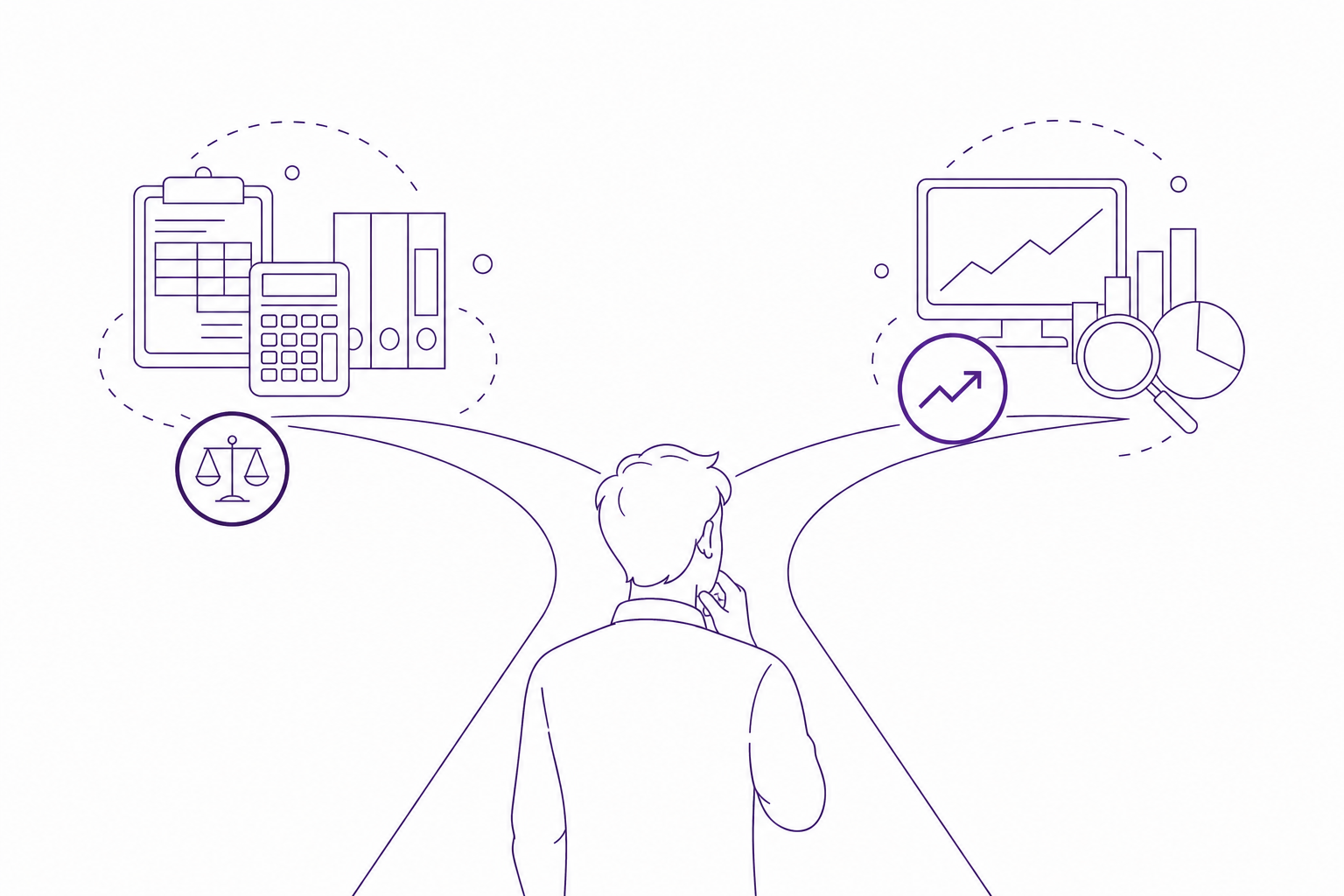
The MBA used to mean one thing: quitting your job, moving to campus, and spending two years and a small fortune to get there. That's no longer the only route. Online MBAs have matured into serious, accredited alternatives, and for a lot of working professionals they're now the more sensible choice.
But "more sensible" doesn't mean "right for everyone." Here's how the two actually compare, without the marketing spin.
Cost
Traditional, full time MBAs at well known business schools often run well into six figures once you include tuition, housing, and the lost salary from not working for one or two years. Online MBAs typically cost a fraction of that, mainly because you keep your job and your income while you study. That said, cheaper isn't automatically better. Always weigh the total cost of a programme against what accreditation and employer recognition it actually carries, not just the sticker price.
Time and structure
A traditional MBA is intense but contained: two years, then you're done. An online MBA is usually slower by design, built to be studied around a full time job, which means it can take longer to finish. For some people, spreading the workload out is a relief. For others, especially anyone who thrives on hard deadlines and a fixed end date, it can be harder to stay motivated over eighteen months of self-directed study.
Networking
This is the area traditional MBAs still tend to win. Being physically present on campus, in study groups, at recruiting events, creates connections that happen almost by accident. Online MBAs have closed some of this gap with live cohort sessions, alumni networks, and virtual networking events, but it usually takes more deliberate effort on your part to build the same kind of relationships.
Career impact
This depends heavily on your industry and your starting point. If you're aiming for a role at a firm that specifically recruits from a handful of elite full time MBA programmes, such as top-tier consulting or investment banking, the traditional route still carries more weight in those narrow circles. If you're aiming for a promotion, a leadership role, or a shift within your current industry, employers increasingly care more about the accreditation and the skills you can demonstrate than whether you studied on campus or online.
Flexibility
This is where online clearly wins. You keep your salary, you don't uproot your life, and you can usually study from anywhere. If relocating isn't an option, or you have family or financial commitments that rule out two years without an income, an online MBA removes that barrier entirely.
The real question to ask yourself
Don't ask "which MBA is better." Ask "which MBA gets me to my specific goal, in a way I can actually sustain." A brand-name campus MBA that you have to drop out of halfway through because the finances don't work is worth less than an accredited online MBA you finish. Match the format to your life, not the other way around.
What to check no matter which route you choose
- Confirm the accreditation independently, don't take the school's word for it
- Look up real graduates on LinkedIn and see where they ended up
- Get a full cost breakdown in writing, including fees the tuition page doesn't mention
- Ask what live interaction and networking opportunities are actually built into the course
An MBA is a significant investment either way. The format matters less than doing the homework before you commit to either one.
Thinking about studying online?
Explore accredited UeCampus programmes and UK diplomas, or speak to an admissions advisor about the next intake.
Browse programmes Enquire now