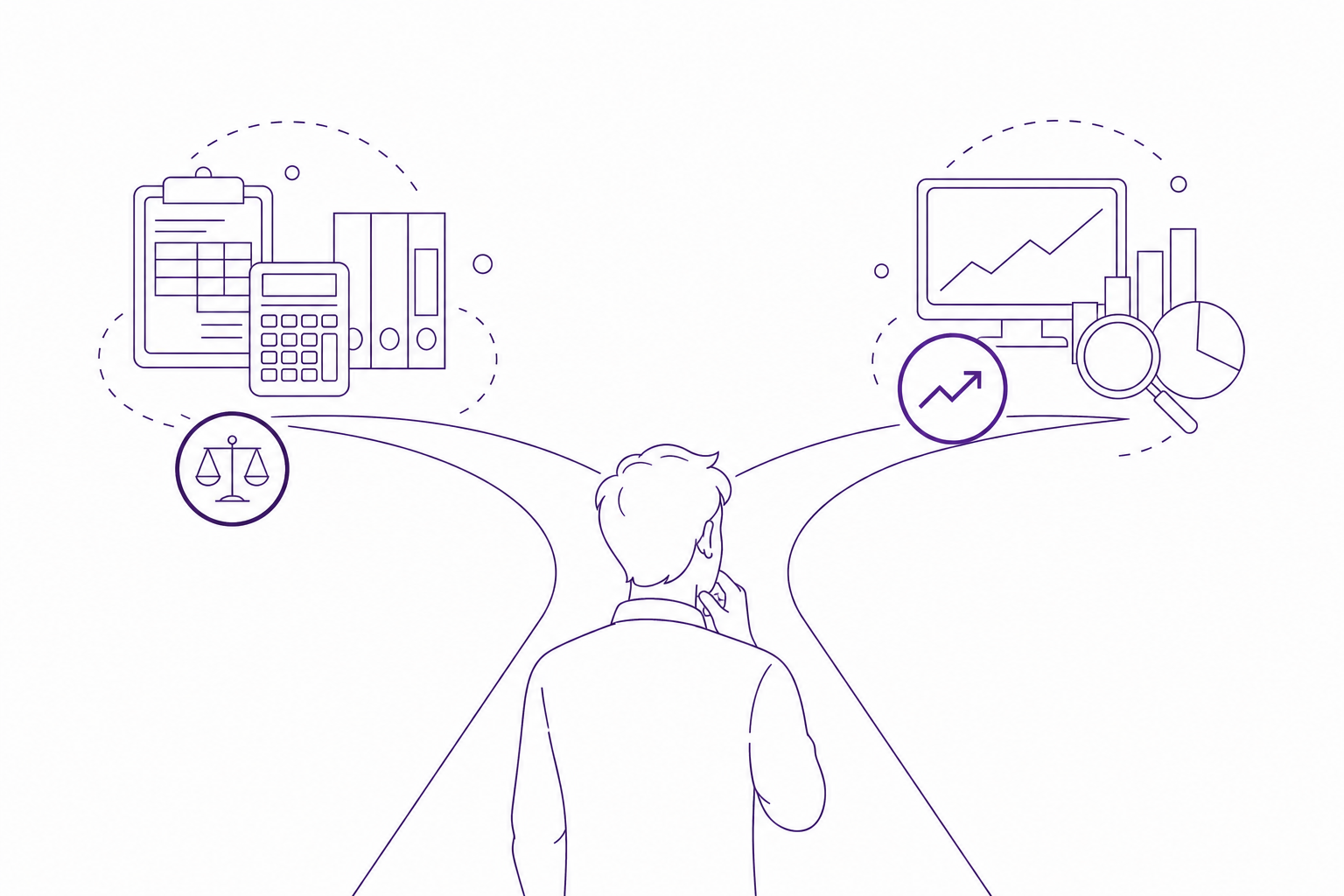
Is an Online Business Degree Worth It in 2026? Careers, Salaries and What Employers Want
Business is one of the most popular degrees to study online, but does it actually pay off? Here is an honest look at careers, salaries and what employers value most in 2026.

A business degree is one of the most common qualifications in the world, and also one of the most debated. Critics call it too broad to be useful. Graduates often disagree, pointing to the sheer range of roles it opens up. If you are considering an online business degree in 2026, the honest answer sits somewhere in between: it depends entirely on how you use it.
Here is what the degree actually covers, what it leads to, and whether it is worth the time and cost.
What Does an Online Business Degree Actually Cover?
Most business degrees are built around a core set of modules: accounting and finance, marketing, operations, organisational behaviour, economics and strategy. Many programmes then allow you to specialise in your final year, choosing a pathway such as finance, marketing, human resources or international business.
Online delivery does not change this core content. What it changes is the structure of your week. Rather than fixed lecture slots, you will typically work through recorded content and readings at your own pace, with deadlines for assignments and group projects rather than timetabled classes.
What Careers Can You Actually Get With a Business Degree?
A general business degree is deliberately broad, which is both its biggest strength and its most common criticism. Used well, that breadth becomes flexibility. Used passively, it can leave graduates without a clear direction.
Roles Business Graduates Commonly Enter
- Marketing and brand management
- Sales and account management
- Operations and project coordination
- Human resources and recruitment
- Retail and business management
- Entry-level finance and analyst roles
- Entrepreneurship and small business ownership
Roles That Typically Require Further Specialisation
- Chartered accountant (requires professional accountancy qualifications)
- Investment banking and corporate finance
- Management consulting at top-tier firms
- Actuarial roles
The degree tends to work best as a foundation for a specific direction rather than a job title in itself. Graduates who pair the degree with a clear specialism, a professional certification, or relevant work experience tend to see far stronger outcomes than those who treat the degree alone as the finished product.
Business Degree Salaries: What the Data Actually Shows
Salary outcomes for business graduates vary more than almost any other degree subject, largely because the career paths themselves are so varied.
Entry-level roles in marketing, HR and general business administration typically sit in line with the average graduate starting salary. Roles in finance, analytics and consulting tend to pay notably more, particularly where a professional qualification or postgraduate study has been added on top of the degree. Entrepreneurial outcomes are, by nature, the most variable of all, ranging from modest to exceptional depending on the business itself.
The pattern here matters more than any single figure: specialisation and experience consistently outperform the degree alone when it comes to earning potential.
Does the University or Accreditation Matter?
Yes, though slightly differently to more technical or licensed professions. For a general business degree, employers usually care more about the institution's reputation, your grades, and any placements or internships than about a specific accreditation body. That said, if you are considering a path into accountancy or finance that requires professional body recognition later on, it is worth checking that your degree is recognised as exempting you from certain professional exams. This can save considerable time and cost further down the line.
Is an Online Business Degree Worth It in 2026?
For most people, yes, provided you treat it as a starting point rather than a guarantee. A business degree earns its value through what you build around it: internships, a clear specialism, transferable skills such as data literacy, and, ideally, some form of practical or entrepreneurial experience alongside the theory.
Studying online does not weaken any of this. Employers are increasingly comfortable with online degrees, and many online programmes now include the same group projects, case studies and industry partnerships as their on-campus equivalents. What still matters most is what you do with the degree, not how it was delivered.
Frequently Asked Questions
Is a business degree too general to be useful? It can be if left unfocused. Graduates who add a specialism, a certification or relevant experience tend to see much stronger outcomes than those who rely on the degree alone.
Can I go into finance or accountancy with a general business degree? Often, yes, but you will usually need additional professional qualifications afterwards. Check whether your specific degree offers any exemptions from professional body exams before you enrol.
Is an online business degree respected by employers? Generally, yes, particularly from well-established institutions. Employers tend to focus on outcomes, grades and experience over the delivery format.
How long does an online business degree take? Typically three to four years full-time, in line with on-campus study, or longer when studied part-time alongside work.
Related reading: Online MBA vs Traditional MBA: Which Is Right for You in 2026?, Can You Get a Job with an Online Degree? What Employers Really Think in 2026
Thinking about studying online?
Explore accredited UeCampus programmes and UK diplomas, or speak to an admissions advisor about the next intake.
Browse programmes Enquire now