How to Choose the Right Online Degree in 2026: A Complete Guide
Thinking about studying online? Here's exactly what to look for in an online degree programme, from accreditation to flexibility, before you apply.

How to Choose the Right Online Degree in 2026: A Complete Guide
More people are studying online now than at any point before. Full time jobs, family schedules, and the cost of relocating for university have pushed millions of students toward flexible, remote study instead of a traditional campus.
That's good news, but it also means the number of online programmes on offer has exploded, and not all of them deliver what they promise. If you're weighing up your options, here's a practical guide to actually picking the right one.
Start with what you want the degree to do for you
Before you look at a single programme, get clear on the outcome you're after. A career change needs a different kind of degree than a promotion within your current field. Are you after a specific job title, a pay rise, a foundation for further study, or a credential your industry simply expects at a certain level? Write this down. It becomes your filter for everything else.
Check accreditation before anything else
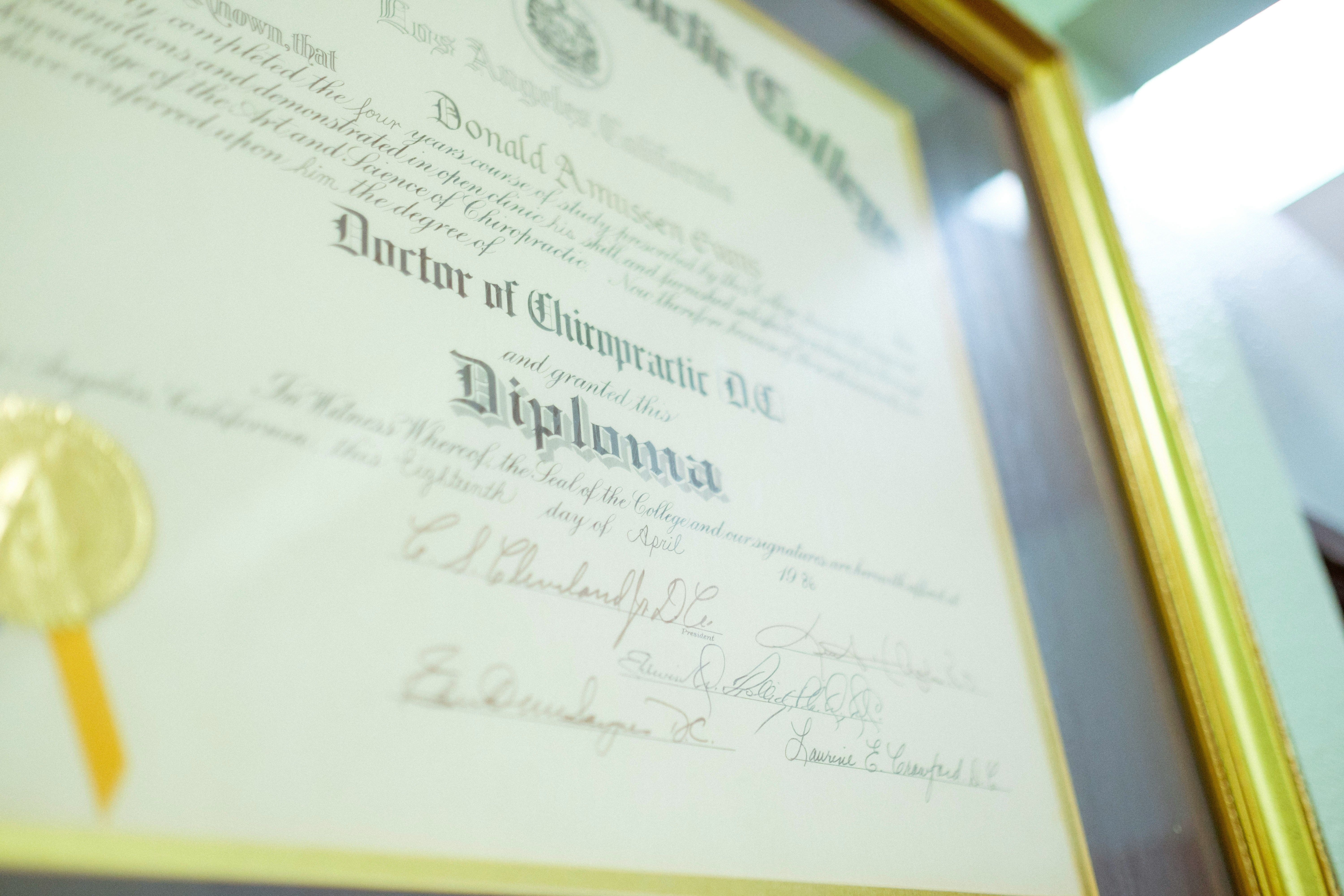
This is the single most important box to tick. Accreditation is what tells employers, other universities, and licensing bodies that your degree actually means something. Search the accrediting body directly, independent of the school's own website, and confirm it's recognised in the country and industry where you plan to use the qualification. A degree without solid accreditation, however polished the marketing looks, is a risk you don't need to take.
Compare flexibility against your real schedule
Online study is often sold as "learn whenever you want." In practice, programmes vary hugely. Some are fully self-paced with no fixed deadlines. Others run on a term structure with live classes at set times. Neither is automatically better, it depends on your life. If you know you need external structure to stay motivated, a fully self-paced course might work against you. Ask for a sample timetable before you enrol, not after.
Look past the tuition headline
The advertised tuition fee is rarely the full cost. Ask specifically about:
- Application or enrolment fees
- Cost of course materials and software
- Exam or assessment resit fees
- Graduation and certification fees
Getting a full, itemised cost breakdown in writing protects you from surprise invoices later.
Research the support systems, not just the course content
A good online programme includes more than lecture videos. Look for dedicated academic advisors, career services, technical support, and some form of peer or cohort interaction. Isolation is one of the biggest reasons students drop out of online programmes, so a school that has clearly invested in support structures is worth more than one that hasn't.
Verify outcomes independently
Testimonials on a university's own site will always be glowing, that's what they're there for. Instead, search for graduates on LinkedIn, filter by the specific programme, and see what roles they've moved into. If a programme has been running for a while and you can't find real graduates outside its own marketing, treat that as useful information.
Understand the fine print on pausing or leaving
Circumstances change. Before enrolling, check the policy on leave of absence, refunds, and whether credits transfer if you switch programmes or institutions later. Clear, published policies are a sign of a school that's confident in what it offers.
The bottom line
The right online degree is the one that fits your goals, your schedule, and your budget, and that holds up when you check the claims independently. Take a weekend to properly research before you commit years and money to a programme. It's the best return on time you'll get in this whole process.
Thinking about studying online?
Explore accredited UeCampus programmes and UK diplomas, or speak to an admissions advisor about the next intake.
Browse programmes Enquire now